If you have ever tried to close a cross-border deal, you already know how quickly trust becomes a problem. The buyer is nervous about paying before goods arrive. The seller refuses to ship without some assurance of payment. Both have valid concerns, and both need a bank to step in and bridge that gap. That is where letters of credit and bank guarantees come in — and while most people treat them as the same thing, they are quite different in how they work and what they protect against. Businesses handling a high volume of these instruments have started relying on reputable letter of credit management software to avoid the costly administrative mistakes that come with managing everything manually. But before getting into the software side, it helps to understand what each instrument actually does.
A Letter of Credit Is About Payment Assurance
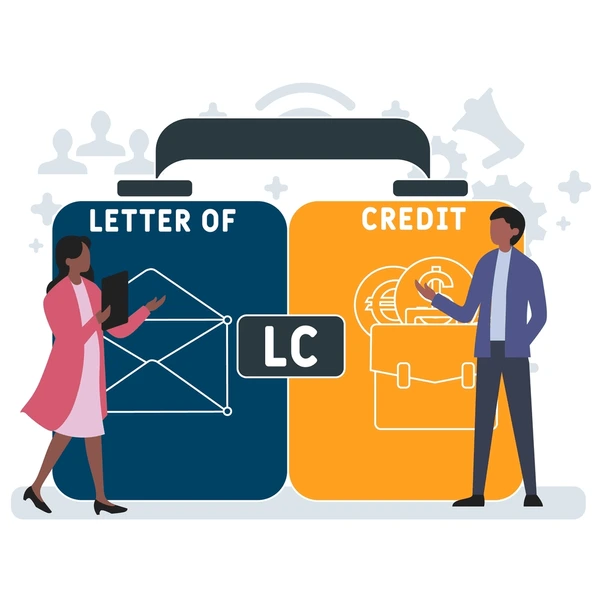
Think of a letter of credit as the bank saying, “We will pay the seller — but only once they prove they have done what they agreed to do.” The seller ships the goods, collects the required documents — a bill of lading, a commercial invoice, maybe a certificate of origin — and presents them to the bank. If everything matches the LC terms, the bank pays. Simple in theory, though the devil is always in the details.
Banks are not in the business of making judgment calls. They check paperwork against agreed terms word for word. A shipment date off by a day, a slightly misspelled company name, a missing signature — any of these can result in a discrepancy that holds up payment. This is why importers and exporters often get frustrated with LCs. They work beautifully when everything is in order and become a nightmare when something is not.
There are different types too. An irrevocable LC cannot be cancelled without everyone’s agreement, making it the safer option for sellers. A confirmed LC brings in another bank for extra security, useful when the issuing bank is in a country with financial instability. Standby LCs sit somewhere between a traditional LC and a guarantee — they are not drawn on during normal business, only when something goes wrong.
Bank Guarantees Work the Other Way Around
A bank guarantee is less about completing a transaction and more about protecting someone if the other party drops the ball. The bank is not promising to pay for goods delivered — it is promising to cover losses if a contractor walks off a job, a vendor fails to deliver, or a bidder wins a tender and backs out. The guarantee only gets called when there is a failure. Until then, it just sits as a backstop. Contractors, developers, and procurement teams deal with these constantly, and keeping track of every active guarantee — expiry dates, renewal windows, claim conditions — is where things fall apart without the best bank guarantee software to manage the load.
Performance guarantees are the most common type in construction and infrastructure. A contractor gets a project, the employer wants assurance the work will be done to spec, and the bank issues a guarantee to cover that risk. Bid bonds work similarly but earlier — they stop companies from submitting tenders with no real intention of following through. Advance payment guarantees protect buyers who pay a portion upfront before work begins. Each type has its own trigger conditions, documentation trail, and shelf life.

What Actually Sets Them Apart
The core difference is this: letters of credit are payment instruments, and bank guarantees are security instruments. An LC is expected to be used — that is the whole point. A guarantee, ideally, never gets called. It exists to give the beneficiary confidence they are protected, not as a mechanism for routine payment.
Risk also flows in opposite directions. With an LC, the exporter carries the risk that their documents will not be accepted. With a guarantee, the risk sits on the party that issued it — if the principal defaults, the bank pays, then comes after the principal to recover. From a cash flow perspective, these instruments feel very different to the businesses holding them.
Timeline is another factor people underestimate. An LC typically runs for the length of a shipment cycle — weeks, maybe a couple of months. A bank guarantee tied to a three-year construction project can stay active for years, sometimes beyond practical completion if defect liability periods are included. The longer an instrument stays open, the more critical active tracking becomes.
Where Manual Management Breaks Down
A company handling five or six LCs and guarantees can probably manage with spreadsheets and calendar reminders. Push that to fifty or five hundred and the cracks show fast. Expiry dates get missed. Renewal requests go out too late. Someone amends a guarantee without updating the register. A discrepancy in an LC goes unnoticed until the bank rejects the presentation and the seller is left chasing payment.
The problem is not carelessness — it is that these instruments generate a lot of moving parts. Each one has its own bank, beneficiary, conditions, and document trail. When you are also managing cash positions, vendor relationships, and a busy finance team, trade finance administration is the thing that tends to slip.
How Software Changes Things
Good treasury and trade finance platforms centralize everything — every active LC, every guarantee, every amendment — into one place accessible to everyone who needs it. No more hunting through email threads to find terms on a guarantee issued eighteen months ago.
Automated alerts take the pressure off people having to remember things. The system flags upcoming expiries, prompts renewal decisions, and escalates anything needing sign-off before a deadline. Approval workflows can be configured to match how a company actually operates, so nothing moves without the right people seeing it.
On the LC side, document checking tools help catch discrepancies before submission, reducing back-and-forth with banks and speeding up payment cycles. For guarantees, the software keeps a full history of every claim, extension, and amendment — invaluable if a dispute lands in arbitration.
Reporting is the other big win. Finance teams get a real view of total contingent liability exposure, split by instrument type, currency, counterparty, and maturity. That visibility changes how you plan. Instead of being surprised by a cluster of guarantees expiring in the same month, you see it coming and manage it in advance.
Getting the Right Tool for the Job
Bank guarantees and letters of credit are not going anywhere. As global trade grows more complex and regulators demand more transparency, the administrative burden around these instruments will only increase. Companies that get ahead of that now — by understanding what each instrument actually does and putting proper systems in place — will have a real edge over those still running everything through shared inboxes and colour-coded spreadsheets. Choosing the right top financial asset management application is not just a technology decision; it is a risk management one. The businesses that take it seriously close deals faster, maintain stronger banking relationships, and spend far less time putting out fires.